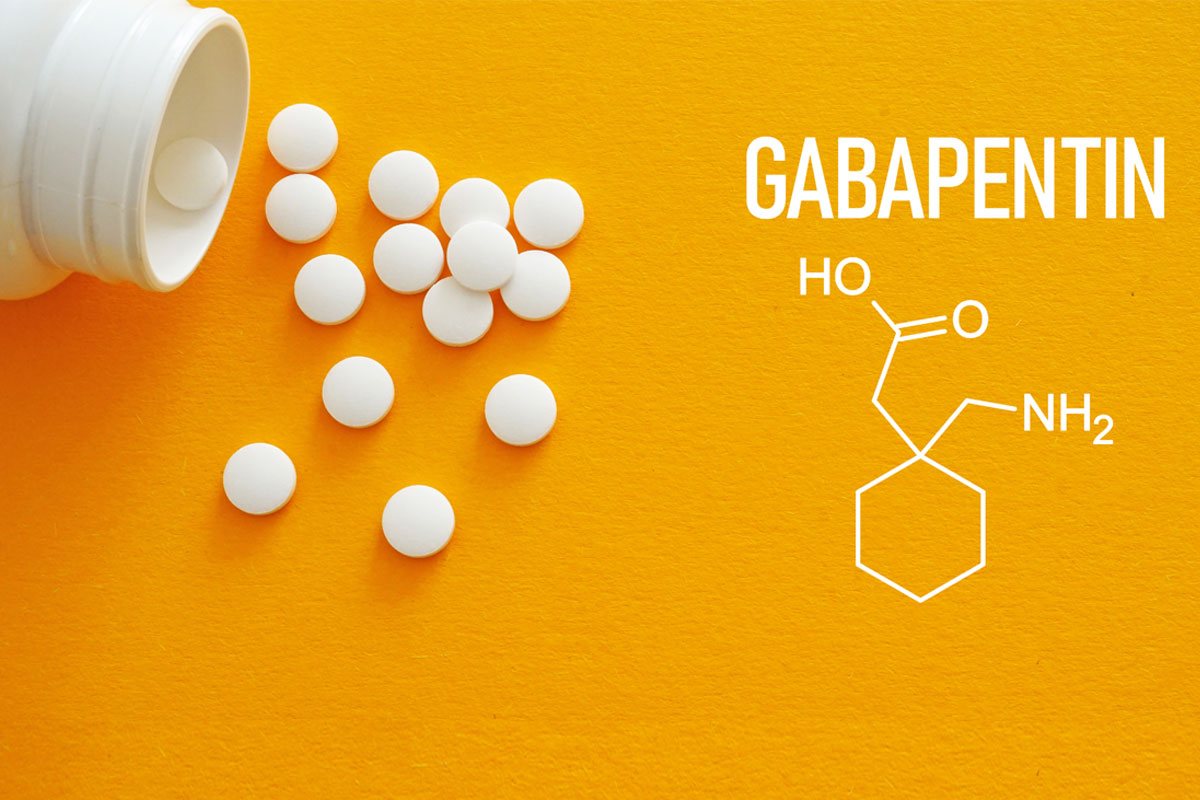
Patients prescribed gabapentinoids should be closely monitored throughout their treatment for signs of drug poisoning and use with opioids or benzodiazepines should be avoided entirely, a major new study has warned.
Published in the journal PLOS Medicine, the study found that the widely prescribed painkillers are associated with an increased risk of drug poisoning and overdose.
Lead author, Dr Kenneth Man, pharmacoepidemiologist and medical statistician at University College London, said: ‘Our findings do not suggest that gabapentinoids are unsafe or should not be prescribed, but clinicians should be cautious when prescribing them, particularly if a patient is taking other medications as well, and clinicians should closely monitor patients who are taking them.’
The study analysed UK primary care, hospital admissions and mortality data from nearly 17,000 people between 2010 and 2020.
Individuals were tracked over time, comparing periods when they were taking the drugs with periods when they were not. This helped to avoid, but not completely eliminate, influences such as genetics or socioeconomic background, the researchers said.
Gabapentinoids and drug poisoning risk
The findings revealed that drug poisoning risk more than doubled in the 90 days before patients began taking gabapentinoids, which the researchers interpreted as evidence that these drugs are often started during periods of heightened vulnerability – likely when a patient’s underlying condition is worsening, prompting a clinical response and additional medications.
Although the researchers found that the risk of poisoning can subside after someone starts taking gabapentinoids, the elevated risk can persist for months. This suggests that gabapentinoids might not be an effective solution to reduce drug poisoning risks, as has been previously suggested, they said.
The study also showed that taking gabapentinoids alongside other medications further elevated the risk of drug poisoning. Co-prescribing with benzodiazepines was associated with roughly a doubling of risk compared with gabapentinoid use alone, while concurrent opioid use was associated with a 30% increase.
The study’s first author, Dr Andrew Yuen, said: ‘A clinician’s decision to prescribe gabapentinoids may sometimes be an attempt to minimise the risk of drug poisoning linked to opioids or other medications.
While the risk of poisoning did decrease somewhat after patients began gabapentinoid treatment, they still faced an elevated risk of drug poisoning, which suggests that clinicians need to remain vigilant to the risks.’
Be mindful of efficacy and safety
Gabapentinoids such as gabapentin and pregabalin are widely prescribed for conditions such as epilepsy, nerve pain and anxiety disorders, and are increasingly prescribed for pain relief as an alternative to opioids.
They are now the seventh most prescribed medication in the USA, and a previous study reported that across 65 countries, their usage increased by more than four-fold from 2008 to 2018.
Study participants were frequently taking gabapentinoids alongside other prescribed medications, with 89% taking them alongside opioids at some point in the study period, and 55% taking them alongside benzodiazepines for at least some time.
Dr Man said: ‘Prescription rates for gabapentinoids have been increasing rapidly in recent years, as they are seen as a safe alternative to opioids. While they can be effective for pain relief and do have better perceived safety profiles than opioids, there are still substantial risks that clinicians and patients should be mindful of.’
The researchers said their findings are aligned with an announcement earlier this year from the UK’s medicines regulator, the Medicines and Healthcare products Regulatory Agency, strengthening the warnings on gabapentinoids regarding addiction, dependence, withdrawal and tolerance.
They added that it remains unclear if gabapentinoids can directly cause drug poisoning, and how that might occur, but there is evidence to suggest they might enhance the sedative effects of medications including opioids and benzodiazepines.
There is also evidence of abuse potential, particularly for people with a history of substance abuse, they said.
A version of this article was originally published by our sister publication The Pharmacist.