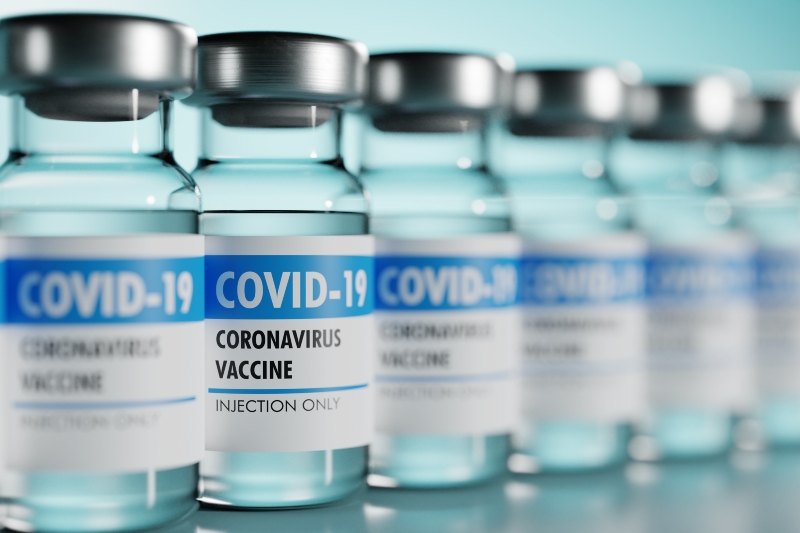
Ahead of future pandemics, the NHS needs to improve links between electronic healthcare data in primary and secondary care in order to be able to monitor vaccine safety, the UK Covid-19 Inquiry has found.
While the inquiry noted that the development and rollout of Covid-19 vaccines during the pandemic was an ‘extraordinary feat’ that saved hundreds of thousands of lives in the UK, its latest report concluded that there was ‘insufficient linkage’ between GP practice and hospital records.
The inquiry heard from a number of witnesses that improvements could be made when it came to the ‘linkage of electronic healthcare data’.
For example, England’s chief medical officer Professor Chris Whitty told the inquiry that there had always been a difficulty in ‘linking up primary care data, general practice data, with secondary care data’ and that such linkage was crucial in order to ‘identify rare adverse effects’.
Vaccines and the quick identification of effective treatments such as dexamethasone are ‘two of the success stories of the pandemic’, UK Covid-19 Inquiry chair Baroness Hallett said.
Yet disparities in uptake of vaccination in communities with greater levels of deprivation and in some ethnic minority groups were ‘predictable’ and must be addressed before the next pandemic, she added.
Covid-19 vaccine and treatment successes
Module 4 of the inquiry, on vaccines and therapeutics heard that the UK’s position as a world leader in biomedical sciences set it in good stead for developing and rolling out effective vaccines at scale within a year of the first case of Covid-19 being reported.
The UK developed the Oxford/AstraZeneca vaccine and authorised two others. One study estimated almost 450,000 lives were saved by the vaccination programme in England alone.
In 2021, approximately 132 million Covid-19 vaccinations were given across the four nations, making it the largest vaccination programme in UK history. By June 2022, 87% of the UK population aged over 12 years had been vaccinated with two doses, the report said.
Likewise, dexamethasone was being used to save the lives of hospitalised Covid-19 patients by June 2020, within hours of trial results confirming its effectiveness.
By the following March, it is estimated to have saved 22,000 lives in the UK and one million across the globe.
But Baroness Hallett said a lack of confidence in Covid-19 vaccines driven by the spread of false information online and compounded by their rapid development was a global issue.
Coupled with an underlying lack of trust in governments and health systems across the UK made some communities more susceptible to false information.
She called on action to be taken across all four nations to tackle rising vaccine hesitancy and build trust within communities with lower vaccine uptake and to improve access to vaccines before the next pandemic.
Vaccine safety and efficacy
The inquiry found that there had been ‘rigorous trialling and regulatory approval’ of the vaccines as well as effective systems in place to assess the ongoing safety and efficacy of the jabs during the pandemic.
But it concluded that the current Vaccine Damage Payment Scheme is not sufficiently supportive of those who suffered serious harm as a result of vaccination and requires urgent reform.
Those who suffered harm were a small minority compared to the overall scale of the vaccination programme, ‘but of no less importance to the individuals affected and their families’, she said.
The inquiry also found that mandatory vaccination for care home staff is likely to have contributed to alienation and increased vaccine hesitancy in some groups.
‘It would have been more effective to focus on co-delivery of vaccinations to staff and patients in care homes, along with targeted schemes to increase vaccine confidence among health and social care workers in areas of lower uptake’, the report said.
Regulatory and healthcare vaccine strategies
Strategic thinking across Government is needed to ensure a diverse range of vaccine and therapeutic technologies are at the UK’s disposal in the event of a future pandemic, it concluded.
Measures to boost vaccine uptake should include targeted strategies and communications and improving monitoring and evaluation of vaccine uptake and delivery to better understand the measures proven to be effective in increasing vaccine uptake.
For routine vaccination, each nation should set and regularly review its minimum acceptable standards of vaccine uptake, which would trigger targeted uptake campaigns, it added.
Regulatory bodies should also be given easier access to healthcare records for post-authorisation safety monitoring of new vaccines and therapeutics, the inquiry said.
Messaging about eligibility criteria for vaccination and therapeutics such as antivirals should be clear and easily understandable, it found.
Commenting on the latest report, British Medical Association council chair Dr Tom Dolphin said: ‘Overall, the vaccination effort, alongside the wider pandemic response and the need to maintain non-Covid care, required staff to go above and beyond. This pressure on the workforce and other services must be factored into any pandemic planning, a point that unfortunately seems lacking in today’s report.
‘The report illustrates the need to continue investing in research and development, as well as public health, community health and prevention, and the importance of engaging with communities, to ensure health messaging reaches the right people in the right way.’
A version of this article was originally published by our sister publication Pulse.