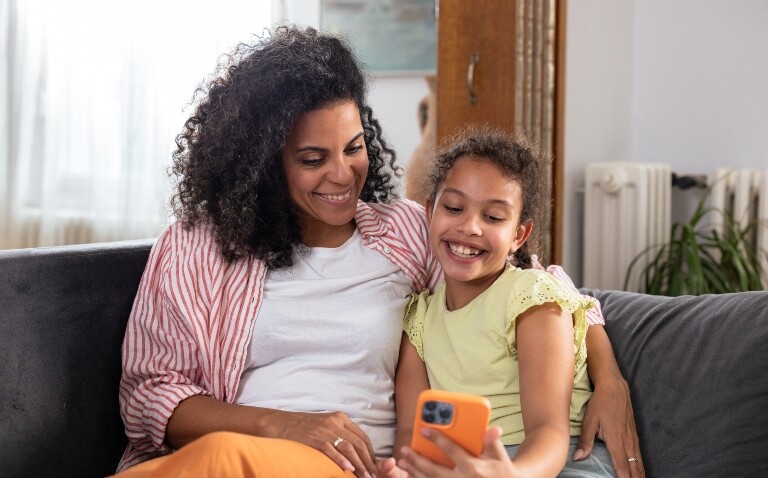
Children with asthma who monitor their condition at home through the use of an app are half as likely to need hospital care as children who only receive care from healthcare teams, according to a new Dutch study.
Presented at the European Respiratory Society (ERS) Congress in Amsterdam, the research revealed that remote monitoring through an app reduced emergency hospital visits and hospitalisations among children with stable asthma symptoms and helped to keep their symptoms under control.
The findings build on a previous clinical trial by the same group, which showed that remote asthma monitoring can replace up to 50% of standard outpatient appointments.
This new, real-world study demonstrates clear benefits of remote monitoring, and the researchers noted that translating the study findings into routine care settings is crucial in the digital transformation of healthcare systems.
Hospital care and asthma control
In this study, the researchers examined data from 2,528 children with asthma, aged between six and 18, who were being treated at six Dutch hospitals between 2017 and 2023. Just over half of the children (n=1,374) used remote monitoring for at least part of the study period, while 2,236 children received standard care without consistent use of remote monitoring. Some of the children were included in both groups as they spent some time not using remote monitoring, then switched to remote monitoring during the study.
The at-home monitoring group involved children and their families checking an app at least once a month and answering questions about their lung function and asthma symptoms. The remote monitoring system, known as Luchtbrug and created by researchers from Radboud University Medical Centre, included asthma action and treatment plans, as well as information on prescribed medications.
The researchers followed the children for an average of two to three years and recorded the frequency of their hospitalisations, including any visits to the emergency department.
Remote monitoring was found to reduce the risk of emergency hospital visits by 49% and decrease hospital admissions by 57%. The researchers estimated that one hospitalisation could be prevented for every 39 children using the app.
Overall, the proportion of children with well-controlled asthma increased from 77% to 86% after children and their families began using the remote monitoring app.
‘Clear benefits of remote monitoring’
Dr Martinus Oppelaar from Amalia Children’s Hospital at the Radboud University Medical Centre, who presented the research, said: ‘By studying remote monitoring in the real world, we have been able to show that there are clear benefits in terms of preventing the need for hospital care for children with asthma. We see an immediate drop in visits to the emergency room and hospitalisations, and a longer-term reduction in symptoms and children needing in-person outpatient care.’
He cautioned that remote monitoring will not eliminate asthma symptoms, but it can aid in managing the condition.
‘Managing a chronic disease can be tough, especially for children. Remote monitoring can make it a little bit easier and leads to better outcomes and lasting self-management skills. Crucially, the monitoring system also alerts the hospital if there are signs of children’s symptoms getting worse. This means doctors and nurses can make contact and change children’s treatment when needed,’ he added.
The researchers concluded that the study provides strong evidence that remote monitoring can keep more children with asthma out of hospital, improving healthcare without an increase in costs.
Dr Louise Fleming, professor of practice in paediatric respiratory medicine at Imperial College London and a member of the ERS expert group on paediatric asthma and allergy, commented: ‘We already have good evidence from clinical trials that at-home monitoring can keep children with asthma well. This new study builds on that research by looking at how at-home monitoring works for children and their families in normal life. The results show that with monitoring we can keep more children well and out of hospital.
‘If we can implement more remote services like this one, it will help us to offer the best healthcare services to our patients without increasing costs.’
Last year, an evaluation by UCL Partners revealed that an app to assist with asthma self-management could save the NHS up to £25m in a year if it were used by 100,000 patients for three months.
A version of this article was originally published by our sister publication Nursing in Practice.