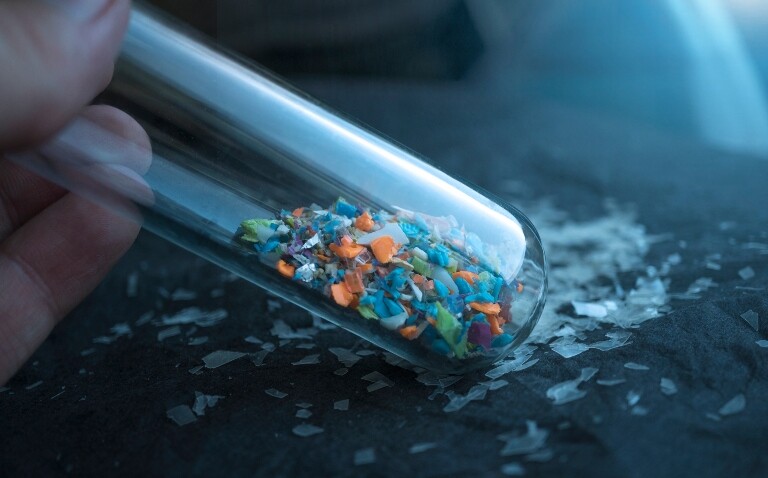
Microplastics, defined as plastic particles smaller than 5mm, which are commonly found in the environment can alter the human gut microbiome, with some changes resembling patterns linked to depression and colorectal cancer, a new study has found.
Thought to be one of the first study to directly examine how different types of microplastics interact with the human gut microbiome, was exclusively presented at UEG Week 2025 – the United European Gastroenterology’s annual congress.
Conducted within the framework of microONE – a research project focusing on the health effects of microplastic and nanoplastic particles on human health, led by the Center for Biomarker Research in Medicine (CBmed) in Austria – the study aimed to directly examine how different types of microplastics interact with the gut microbiome.
Impact of microplastic exposure
Stool samples from five healthy volunteers were used to grow ex vivo gut microbiome cultures. The cultures were then exposed to five common microplastic types at concentrations reflecting estimated human exposure, or at higher doses to investigate potential dose-dependent effects.
The five types of microplastics used as part of the study were: polystyrene, polypropylene, low-density polyethylene, methyl methacrylate and polyethylene terephthalate.
The researchers found that while total and viable bacterial cell counts remained largely unchanged, microplastic-treated cultures showed a consistent and significant increase in acidity (lower pH levels) when compared to controls, indicating altered microbial metabolic activity.
Further analysis revealed microplastic-specific shifts in bacterial composition, with certain bacterial groups increasing or decreasing depending on the microplastic type. Changes were observed across several bacterial families. For example, Lachnospiraceae, Oscillospiraceae, Enterobacteriaceae and Ruminococcaceae.
Interestingly, the majority of changes were observed within the phylum, Bacillota. This is a key group of gut bacteria important for digestion and overall gut health.
Shifts in bacterial composition were also accompanied by changes in the chemicals produced by the bacteria, some of which corresponded with the observed decreases in pH, the study found. Certain microplastic types altered levels of valeric acid and 5-aminopentanoic acid, while others affected lysine or lactic acid, highlighting the complexity of microplastic-microbiome interactions.
Changes to microbial composition
Microplastic-induced changes in microbial composition importantly reflected patterns previously linked to diseases such as depression and colorectal cancer. This underscores the potential implications of microplastic exposure for disease risk, the study concluded.
‘At this stage, the exact pathways remain unclear, but several plausible explanations are emerging,’ explained lead author Christian Pacher-Deutsch, who is currently working at CBmed and the Medical University of Graz within the microONE project.
‘Microplastics may change microbial composition by creating physical or chemical environments that favour certain bacteria. For instance, biofilms can form on microplastic surfaces, providing new niches that some microbes colonise more rapidly,’ he said.
The study identified that microplastics may also carry chemical substances that directly influence bacterial metabolism. This can lead to changes in acid production, which may serve as a bacterial stress response, unintentionally altering the gut’s pH.
These shifts could then trigger feedback loops that further affect the balance of the microbiome, the research team concluded.
Reducing microplastic exposure
‘These findings are significant given how pervasive microplastic exposure is in everyday life,’ Mr Pacher-Deutsch added. ‘Microplastics have been found in fish, salt, bottled water and even tap water, meaning that most people are exposed daily through ingestion, inhalation and skin contact.’
The key takeaway from these trial results is that microplastics do have an impact on our microbiome, but he maintained that it’s too early to make definitive health claims. ‘The microbiome plays a central role in many aspects of wellbeing, from digestion to mental health,’ he said. ‘Reducing microplastic exposure where possible is therefore a wise and important precaution.’