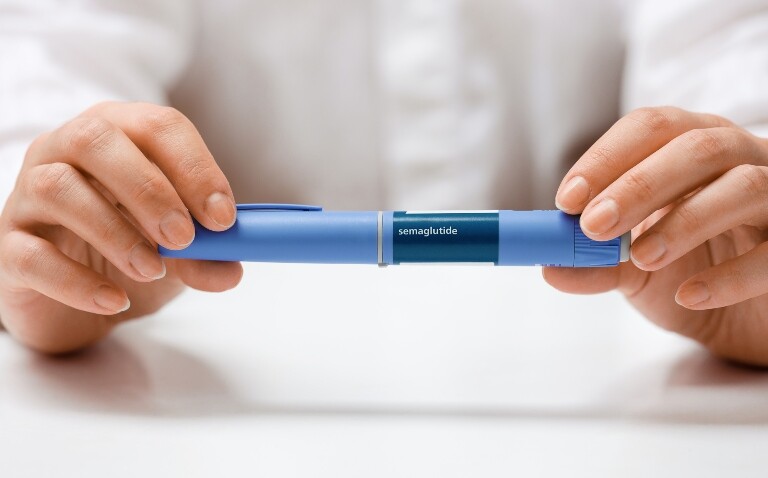
Patients with psoriasis treated with glucagon-like peptide-1 receptor agonists (GLP-1RAs) have a lower risk of death and major cardiovascular events, compared to those taking other diabetes or weight-loss medications, a large-scale cohort study has found.
The study, believed to be the largest of its kind, was exclusively presented at the European Academy of Dermatology and Venereology (EADV) Congress.
Psoriasis is a chronic skin condition that is linked not only to visible symptoms, but also to higher risks of cardiovascular issues such as heart attack, stroke and psychiatric issues including depression, anxiety and increased alcohol or substance use.
GLP-1Ras, including semaglutide and liraglutide, are widely used to treat type 2 diabetes and obesity. However, emerging evidence suggests GLP-1RA medications may also offer important benefits for psoriasis patients.
Clear and consistent benefits
The international research team analysed data from a database of more than 110 million patients in the United States. Outcomes were compared for over 6,000 psoriasis patients with diabetes or obesity over a two-year period. This included 3,048 patients who were treated with GLP-1RAs and 3,048 who received other anti-diabetic or anti-obesity medications.
Patients included in the retrospective cohort analysis were over 18 years of age, had a confirmed diagnosis of psoriasis requiring systemic therapy and had received continuous treatment with a GLP-1RA or an alternative medication for at least 24 months.
The researchers found that patients taking GLP-1RAs had a 78% lower risk of death and a 44% lower risk of major cardiovascular events compared to those taking other weight loss medications.
After matching for age, sex and comorbidities, the researchers found the benefits of GLP-1RAs were clear and consistent across all sensitivity analyses, using propensity score matching to control for potential confounders.
GLP-1RA medications also significantly reduced the risk of alcohol abuse by 65%, and substance abuse by almost 50%.
‘Our findings suggest that GLP-1RAs may offer benefits beyond their effects on weight and glucose control, particularly for cardiovascular and psychiatric outcomes in people with psoriasis,’ explained study lead author Professor Ralf Ludwig, dermatologist and professor and director at the Lübeck Institute of Experimental Dermatology, University of Lübeck, Germany.
‘We hypothesise that GLP-1 receptor activation may inhibit proinflammatory mediators, which are elevated in people with psoriasis. Additionally, GLP-1 receptors are expressed in parts of the brain involved in mood and the reward system, which could explain the reductions we observed in alcohol and substance use.’
GLP-1RAs as a preferred treatment for psoriasis
The researchers found the benefits of GLP-1RAs were especially pronounced in psoriasis patients, compared with matched controls. This suggests a possible synergy between systemic inflammation in psoriasis and the mechanisms of GLP-1RAs, they concluded.
Safety outcomes were consistent with those seen in the general population, with no significant increase in adverse effects such as hypoglycaemia, nausea or constipation.
‘Given their safety profile and the range of benefits observed, GLP-1RAs could become a preferred treatment for psoriasis patients who also require therapy for diabetes or weight management,’ said Professor Ludwig. ‘Psoriasis management has traditionally focused on controlling skin symptoms, but these findings emphasise the need to consider the wider health risks faced by patients.’
He added that GLP-1RAs may offer a valuable dual benefit by improving metabolic control and long-term health outcomes, which he said represented ‘an important step forward in holistic care for people living with psoriasis’.
Previous research has found that semaglutide may help with the management of hidradenitis suppurativa in obese patients.
This article was originally published by our sister publication Hospital Pharmacy Europe.