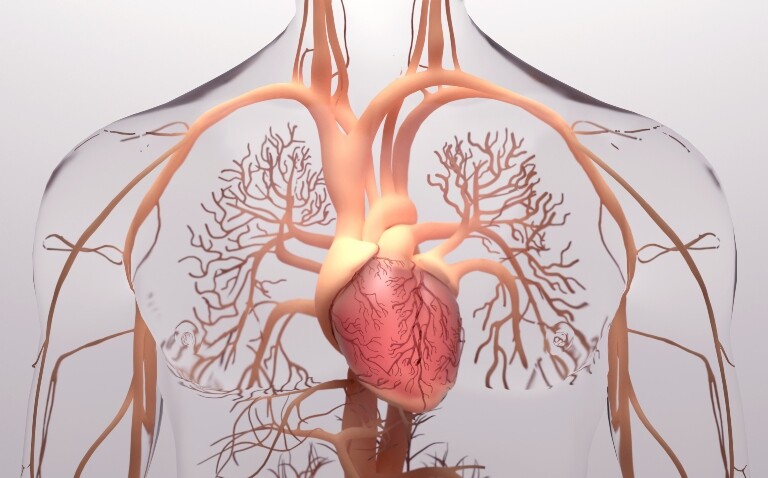
Pulmonary hypertension is a condition where specialist input is essential, yet the day-to-day management of many patients takes place in local hospitals, usually in general respiratory clinics, far from designated pulmonary hypertension centres.
What’s more, the condition is underdiagnosed and delays in specialist referral continue to affect outcomes. For those working in respiratory settings, recognising the red flag features that should prompt consideration of pulmonary hypertension is therefore an important first step to improvement.
Developing effective shared-care models that allow patients to be monitored and supported closer to home, while maintaining access to specialist expertise, is a priority for services. But how can respiratory teams improve early identification of pulmonary hypertension and build more effective shared-care pathways?
This will be the focus of a session at the upcoming Clinical Excellence in Respiratory Care – a free one-day virtual event on 12 May 2026, open to all UK healthcare professionals. Register now to secure your place.
Pulmonary hypertension red flags
Professor Jay Suntharalingam is a consultant respiratory physician and clinical lead for COPD at Royal United Hospitals Bath NHS Foundation Trust, as well as running a regional pulmonary hypertension service in conjunction with the Royal Free Hospital, London.
Here, Dr Gerry Coghlan is a consultant cardiologist and a founding member of the National Pulmonary Hypertension Physicians Association and has developed the Royal Free National Pulmonary Hypertension Service.
In their Clinical Excellence session, the duo will examine the clinical indicators that should raise suspicion of pulmonary hypertension, how to interpret early investigative findings, including echocardiography, and how to avoid the diagnostic delays that remain common for this condition.
The session will explore how these arrangements are being structured, what the respective roles of specialist and general respiratory teams look like in practice, and how communication between centres and members of the multidisciplinary team can be made more consistent.
Managing complex comorbidities and pulmonary hypertension treatment escalation
Many patients with pulmonary hypertension present with significant comorbidities, including chronic lung disease, left heart disease and connective tissue disorders, all of which can complicate its diagnosis and management.
Determining the extent to which pulmonary hypertension is driving a patient’s clinical picture, rather than coexisting conditions, requires careful clinical assessment and, in many cases, input from multiple specialties.
As such, Professor Suntharalingam and Dr Gerry Coghlan’s session will consider how multidisciplinary teams can approach these complexities, when to escalate treatment and how to navigate the increasingly broad range of targeted therapies now available within NHS commissioning frameworks.
Clinical Excellence in Respiratory Care
The Clinical Excellence in Respiratory Care event will take place virtually on 12 May 2026 and is free to attend for UK respiratory clinicians and members of the multidisciplinary team.
The programme will also explore advanced lung cancer pathways and precision medicine, managing complex ventilatory failure beyond OSA and tuberculosis trends, alongside this session on pulmonary hypertension.
As a one-day virtual event, you can join the sessions most relevant to your role and schedule, with on-demand access available after the event.
Register now to secure your place and be part of the discussion shaping modern respiratory services, and catch up on previous Clinical Excellence in Respiratory Care sessions in our Catch-up zone.