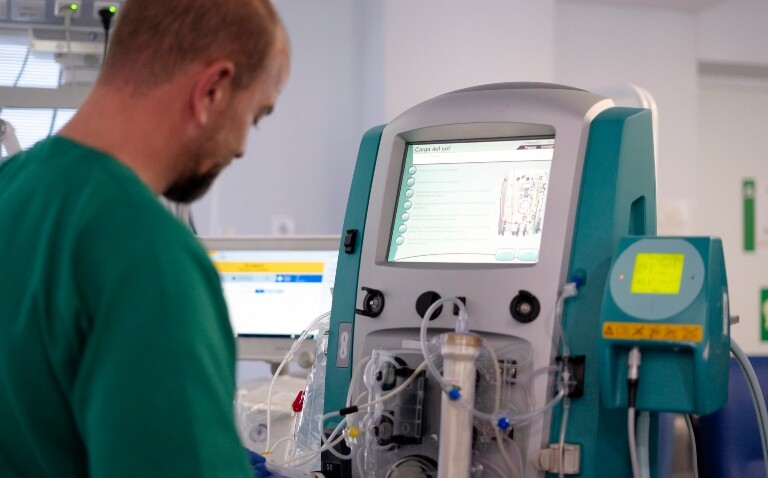
The role of extracorporeal membrane oxygenation (ECMO) in oncology intensive care has been questioned after an international study revealed persistently high mortality among cancer patients with severe acute respiratory distress syndrome (ARDS).
Despite advances in oncology and critical care, ARDS in patients with haematologic or solid malignancies continues to carry a markedly poor prognosis.
Led by the Nine-I (Caring for Critically Immunocompromised Patients) group, the observational YELENNA study enrolled 715 adults with active or recent malignancies and ARDS at 19 intensive care units in 13 countries across Europe and North America between 2017 and 2023.
Of these patients, 73.4% had haematological malignancies and 26.6% had solid tumours, with nearly one-third having undergone haematopoietic stem cell transplantation. At study inclusion, ARDS severity was classified as mild (15.5%), moderate (38.8%) or severe (45.7%).
ECMO offers no survival advantage
The primary endpoint was 90-day cumulative survival. Overall, mortality at 90 days was 73.2%, rising to 82.2% among patients with severe ARDS. Independent predictors of poorer survival included older age, peripheral vascular disease, severe ARDS at inclusion, acute kidney injury, and ICU admission under trial status.
By contrast, patients with lymphoma had a lower risk of death compared with those with acute leukaemia.
Among the 322 patients with severe ARDS, 18% received ECMO, yet survival outcomes did not differ significantly between ECMO and non-ECMO groups (82.6% vs 80.7% mortality; p=0.89). This finding persisted after double-adjusted propensity-weighted analysis (adjusted hazard ratio 1.12; 95% CI 0.65–1.94; p=0.69).
Sensitivity analyses, including those restricted to patients meeting theoretical ECMO eligibility criteria, confirmed the absence of survival benefit.
Implications for clinical practice
The researchers acknowledged that the study’s observational design and the lack of standardised ECMO indications across centres may have introduced selection bias and unmeasured confounding.
A high proportion of patients with unknown ARDS aetiology and pre-existing functional impairment may also have affected outcomes, they added. Patients with do-not-use-ECMO orders or those not receiving invasive ventilation were excluded, potentially limiting representativeness.
The researchers cautioned that current ECMO guidelines may not be directly applicable to cancer patients with severe ARDS. They champion highly individualised decision-making that considers prognosis, comorbidities and patient preferences.
Further research is needed to identify subgroups who may benefit from ECMO and to optimise intensive care strategies for this particularly vulnerable population, the researchers concluded.
Reference
Schellongowski P et al. Acute respiratory distress syndrome in patients with cancer: the YELENNA prospective multinational observational cohort study. Intensive Care Med 2025;51:1809–19.