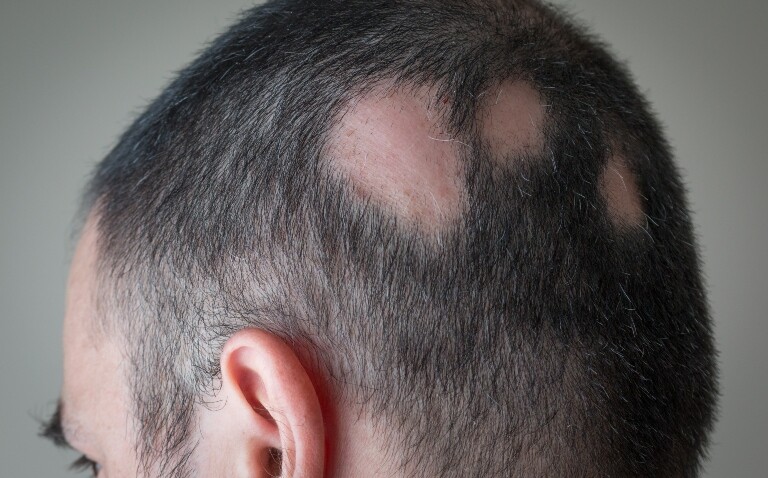
The psychosocial burden of alopecia areata, including how patients perceive their illness and the associated stigma, has a more significant impact on patient mental health than the severity of the symptoms, according to the findings of the recent Alopecia + Me study.
This UK-based online study analysed responses from 596 patients with alopecia areata to examine how the condition impacts the variance in quality of life (QoL), as well as levels of anxiety and depression.
The findings highlight how targeted approaches to treatment, which take into account a patient's perception of their illness and the stigma they experience, can help clinicians improve outcomes for patients with alopecia areata.
Survey respondents self-reported their disease severity and various aspects of health and wellbeing using validated numerical scoring tools, including the Dermatology Life Quality Index (DLQI), EuroQol 5-Dimensional 5-Level (EQ-5D-5L), Hospital Anxiety and Depression Scale (HADS), Stigma Scale for Chronic Illnesses 8-Item (SSCI-8), and the Brief Illness Perception Questionnaire (BIPQ).
Alopecia areata perceptions
Patients with alopecia areata perceived their illness as a chronic, life-limiting condition and felt they had limited control over its progression or treatment. Many experienced stigma, and reported high levels of anxiety and depression, as well as a reduced QoL.
Over a third of patients (35%) had scores showing that alopecia areata had a large or very large effect on their daily life. Most patients (81%) reported symptoms of anxiety and depression, with 34% of patients reporting problems with their usual activities such as work, study, housework, family or leisure activities. Over two thirds of the patients (67%) reported feeling either often or always embarrassed by their illness.
Hierarchical regression analyses showed variations in QoL, anxiety and depression were strongly linked to how they perceived their condition, rather than the severity of their condition, the researchers reported. The most significant factors contributing to impaired QoL, depression and anxiety were stigma and the perception of negative consequences.
Cluster analysis identified two distinct types of patients based on their mindset about the condition. ‘Distressed patients’ experienced high levels of emotional and psychological difficulty associated with alopecia areata, whereas ‘coping patients’ reported significantly better overall health and QoL.
Women were more likely to experience more severe depressive symptoms, and being diagnosed with alopecia areata at a younger age was linked to higher levels of anxiety.
The researchers said the findings suggest that healthcare professionals should assess patients’ illness perceptions and stigma when treating alopecia areata to determine which patient profile they most identify with. This could help to tailor treatment and advice, reduce the psychosocial impact of alopecia areata and improve patient health outcomes, they added.
Reference
Christou E et al. Psychosocial burden and the impact of illness perceptions of stigma on quality of life, anxiety and depression in alopecia areata: results from the Alopecia + Me study. Br J Dermatol 2025;193(3):458–67.